
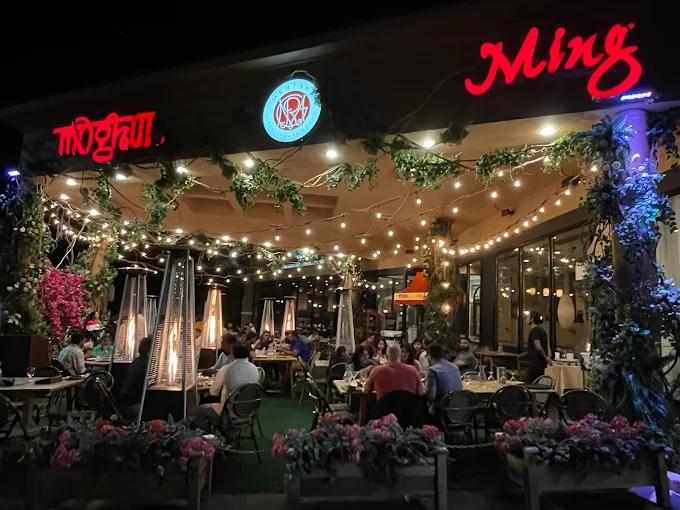
When people talk about memorable Asian dining experiences, they often focus on ingredients, cooking techniques, or presentation. Yet, one essential element quietly defines the entire meal: sauce. Sauces carry history, balance flavor, and bring dishes together in a way no single ingredient can. In Ming Restaurant, an Asian restaurant New Jersey, diners increasingly recognize that authenticity starts not only with recipes, but with the sauces that shape every bite. From savory to sweet, mild to fiery, sauces are the foundation that transforms good food into a truly cultural experience.
The Cultural Significance of Authentic Sauces
Across Asian cuisines, sauces are not just condiments; they are culinary signatures. Each region has its own approach to seasoning, fermentation, and spice blending. Whether it’s a slow-fermented soy-based glaze, a tangy vinegar infusion, or a chili paste crafted with layered heat, these sauces represent generations of culinary knowledge. When prepared authentically, they tell a story of origin and tradition. Replacing them with generic alternatives may save time, but it strips away depth, complexity, and cultural meaning.
How Sauces Shape the Dining Experience
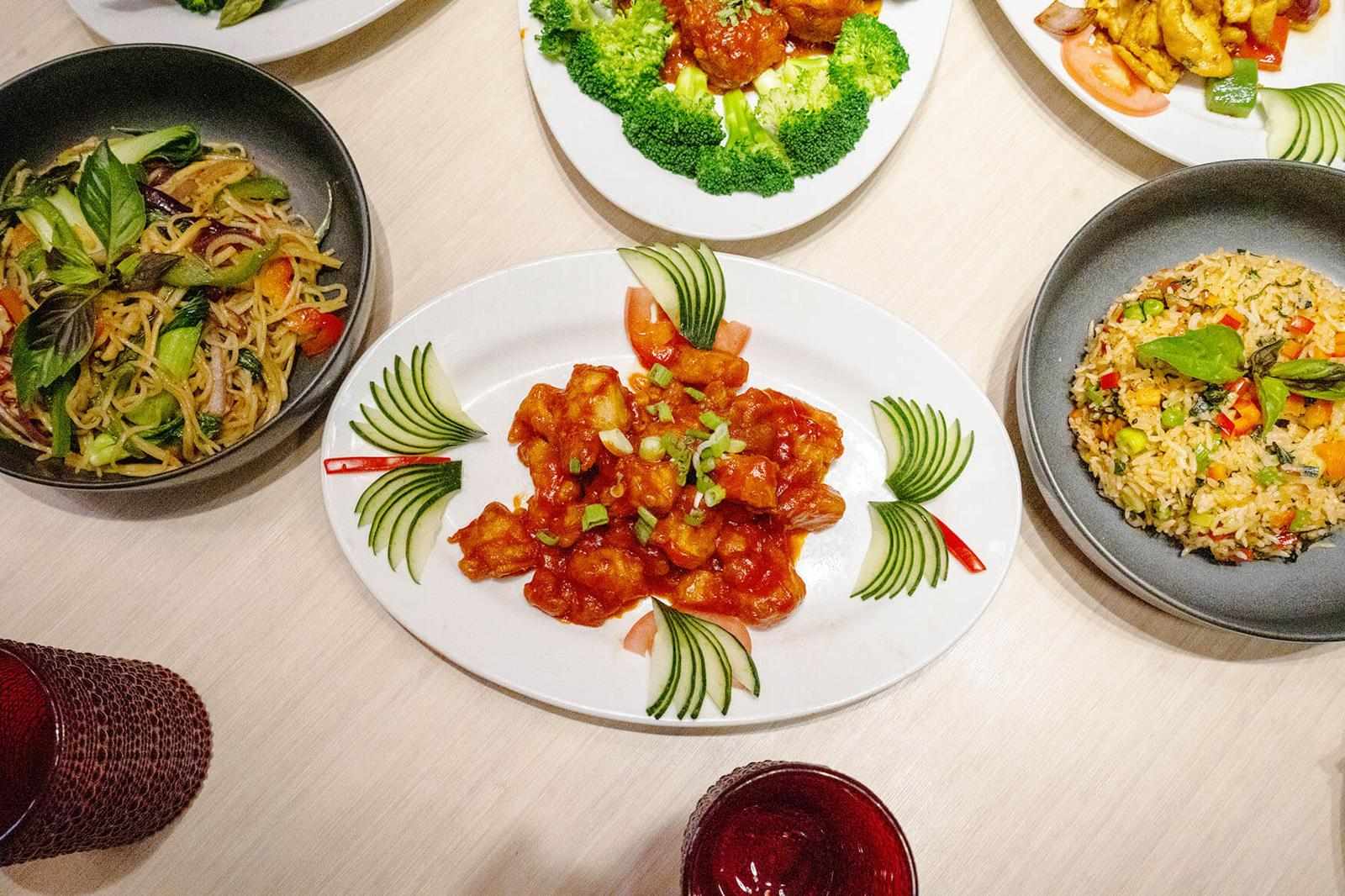
The right sauce enhances aroma, texture, and flavor harmony. It connects individual ingredients into a cohesive dish and elevates simple components into something refined. For example, a perfectly balanced stir-fry sauce can bring together vegetables, proteins, and aromatics into one seamless flavor profile. Without authenticity, dishes may taste flat or overly salty, lacking the nuance that diners subconsciously expect. This is why sauce quality often determines whether a meal feels crafted or merely assembled.
Why Authenticity Matters to Modern Diners
Today’s diners are more informed and discerning. They care about where ingredients come from, how food is prepared, and whether recipes respect cultural origins. In this environment, authenticity has become a marker of quality. When visiting an Asian restaurant New Jersey, guests increasingly look for flavors that feel true rather than commercialized. Authentic sauces signal craftsmanship, attention to detail, and respect for tradition—qualities that build trust and loyalty among customers.
The Balance Between Tradition and Innovation
Authenticity does not mean rigidity. Many modern kitchens adapt traditional sauces slightly to suit contemporary palates, dietary needs, or ingredient availability. However, the foundation remains rooted in classic methods. The challenge is to innovate without losing integrity. Chefs who understand this balance preserve core flavors while refining textures or intensities. This approach allows sauces to evolve organically while maintaining their cultural essence.

Ingredient Quality and Preparation Techniques
Authentic sauces depend heavily on ingredient integrity and preparation methods. Fermentation time, spice ratios, and cooking temperatures all influence flavor development. For instance, a properly brewed sauce develops umami complexity over time, while rushed versions lack depth. Using whole spices, fresh herbs, and traditional techniques ensures that sauces achieve the richness and consistency they are meant to deliver. This craftsmanship distinguishes high-quality dining experiences from mass-produced alternatives.
How Sauces Reflect Restaurant Standards
Sauces often reveal more about a restaurant than any other component. Consistency, freshness, and balance are indicators of operational discipline and culinary expertise. A well-executed sauce demonstrates that the kitchen values process and precision. Asian restaurants that invest in authentic sauces signal a commitment to excellence that extends beyond presentation and service.
Key Reasons Authentic Sauces Make a Difference
Several factors explain why sauces deserve greater appreciation:
They preserve cultural identity within modern cuisine
They enhance flavor complexity and aroma
They unify diverse ingredients into a cohesive dish
They reflect culinary craftsmanship and attention to detail
These elements collectively shape how diners perceive quality and authenticity.
The Emotional Connection to Flavor
Flavor is deeply tied to memory and emotion. Authentic sauces evoke nostalgia for those familiar with traditional cuisine and curiosity for those discovering it for the first time. A well-crafted sauce can transport diners to a different place or moment, creating an experience that lingers long after the meal ends. This emotional resonance is something artificial shortcuts cannot replicate.
Conclusion: Preserving Tradition Through Flavor
Authentic sauces are not optional enhancements; they are essential pillars of meaningful Asian cuisine. They connect culture to craft and flavor to memory, shaping how diners experience every dish. As expectations continue to rise, Ming Restaurant, an Asian restaurant New Jersey that prioritizes authentic sauces demonstrates respect for tradition, dedication to quality, and commitment to genuine culinary storytelling.
Experience the true depth of Asian cuisine by seeking out restaurants that honor tradition through authentic sauces and let every bite tell a story of flavor, culture, and craftsmanship.


Write a comment ...