

Asian stir-fry dishes have become one of the most defining elements of the best Chinese food in NJ, loved for their rich aromas, vibrant colors, and perfectly balanced flavors. While these dishes may look simple on the plate, achieving that harmony of texture, taste, and freshness requires a culinary approach rooted in precision. Understanding what goes on behind the scenes offers diners a new appreciation for the stir-fry dishes they enjoy throughout New Jersey.
The Power of the Wok: Heat, Timing & Motion
The foundation of any remarkable stir-fry is the wok. Its unique shape allows ingredients to cook at different intensities at the same time, creating a layering of flavors that gives stir-fry its signature depth. High heat—known as “wok hei” or the breath of the wok—is essential. It sears the ingredients quickly, locking in juices while creating a smoky aroma that elevates the entire dish. Chefs in New Jersey’s leading Asian kitchens master this control through years of practice, ensuring vegetables stay crisp, proteins stay tender, and sauces cling perfectly to every bite.
Fresher Ingredients, Better Results
The middle of any great stir-fry story comes down to one universal truth: freshness is non-negotiable. This is one of the most important reasons why the best Chinese food in NJ stands out. Restaurants that prioritize fresh, daily-cut produce and high-quality proteins achieve brighter flavors and cleaner textures. Stir-fry relies on quick cooking, meaning there is no time to mask the quality of ingredients. Bell peppers must snap when bitten, leafy greens must remain vibrant, and meats must remain succulent after a rapid sear.
Balancing Flavors Through Asian Culinary Philosophy
Behind every stir-fry lies an artful balance of five essential flavor profiles: sweet, salty, spicy, sour, and umami. These elements don’t compete—they complement. This balance reflects centuries-old culinary philosophies that highlight harmony and contrast. A typical stir-fry sauce may combine soy for saltiness, sugar for sweetness, vinegar for acidity, garlic for aroma, and chili for heat. The key lies in how these ingredients are measured and integrated. Even a slight imbalance in sauce quantity can change the dish entirely.
Cutting Techniques That Influence Texture
What many diners don’t realize is that knife work plays a major role in the final taste of a stir-fry. Chefs cut ingredients into similar sizes so they cook evenly at high temperatures. Thin slices cook faster, cubes hold moisture longer, and diagonally cut vegetables increase surface area for more flavor absorption. These techniques ensure the dish has consistent texture from the first bite to the last, contributing to the signatures of the best Chinese food in NJ found across the state.
Preparation Before Cooking: The Heart of Stir-Fry Craftsmanship
Stir-fry cooking is incredibly fast—often just a few minutes. But behind that speed lies meticulous preparation. Chefs often prepare each ingredient individually—marinating proteins, blanching vegetables, mixing sauces, and organizing aromatics in specific sequences. The order of cooking is also vital: garlic and ginger first for fragrance, proteins next for browning, vegetables afterward for crunch, and sauces last to bind everything together. This disciplined preparation ensures nothing is overcooked or under-seasoned.
Why Stir-Fry Has Become a New Jersey Standout
New Jersey diners today are drawn to Asian stir-fry dishes for their fresh ingredients, bold flavors, and versatile combinations. Health-conscious customers appreciate the minimal use of oil and the quick cooking process that locks in nutrients. Others enjoy the customizability—choosing proteins, vegetables, and spice levels according to personal taste. With such advantages, it’s no wonder stir-fry dishes have become a core highlight of Chinese cuisine in NJ, shaping menus from Edison to Jersey City and beyond.
Stir-Fry Techniques That Modern Chefs Are Reinventing
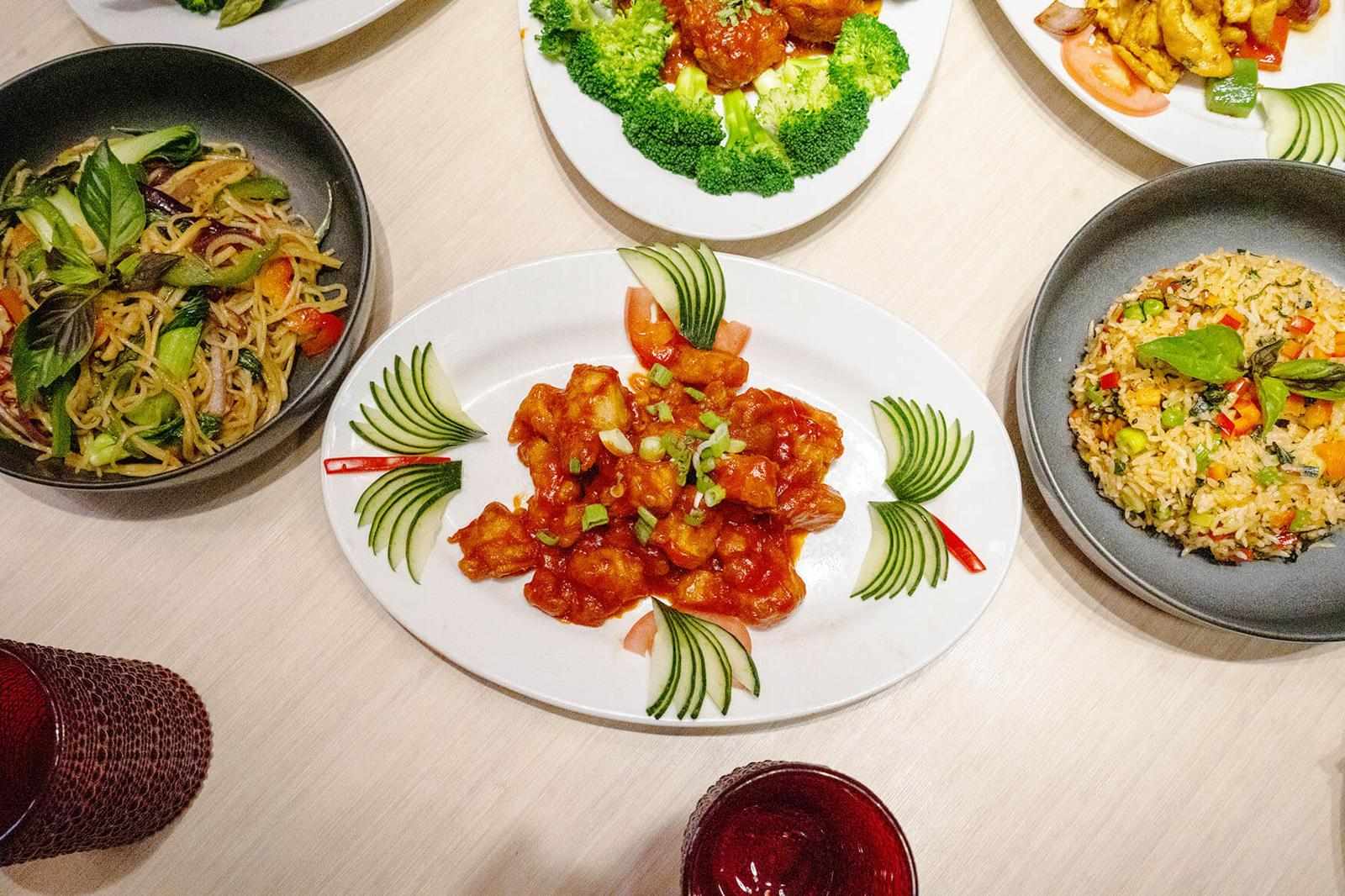
While traditional stir-fry methods remain timeless, many New Jersey Chinese chefs are embracing new trends. These include gluten-free sauces, plant-based proteins, locally sourced vegetables, and fusion-style additions such as Thai basil or Japanese miso. These innovations introduce new flavors while preserving the integrity of classic Asian cooking techniques. As diners become more adventurous, stir-fry continues to evolve without losing its roots.
Conclusion: Enjoy Authentic Stir-Fry at Its Finest—Try It Today
Perfecting Asian stir-fry takes skill, discipline, and a deep respect for tradition. Whether it's the precision of knife work, the mastery of wok hei, or the commitment to freshness, each detail contributes to a final dish that reflects cultural history and culinary craftsmanship. When you enjoy the best Chinese food in NJ, you’re not just savoring a meal—you’re experiencing the result of generations of perfected techniques. Explore your local Chinese restaurant today and discover the true artistry behind a perfect stir-fry.
Write a comment ...