

Dining is more than a meal—it is a cultural experience shaped by traditions, expectations, and etiquettes that enhance the atmosphere and connection between food and people. This becomes especially meaningful when visiting a seafood restaurant in New Jersey, where diverse communities and international influences come together at the table. Whether you are enjoying a casual meal or an upscale dinner, understanding cultural dining etiquette enriches the experience and helps you appreciate the craft behind every dish served.
Respecting the Cultural Roots Behind Seafood Traditions
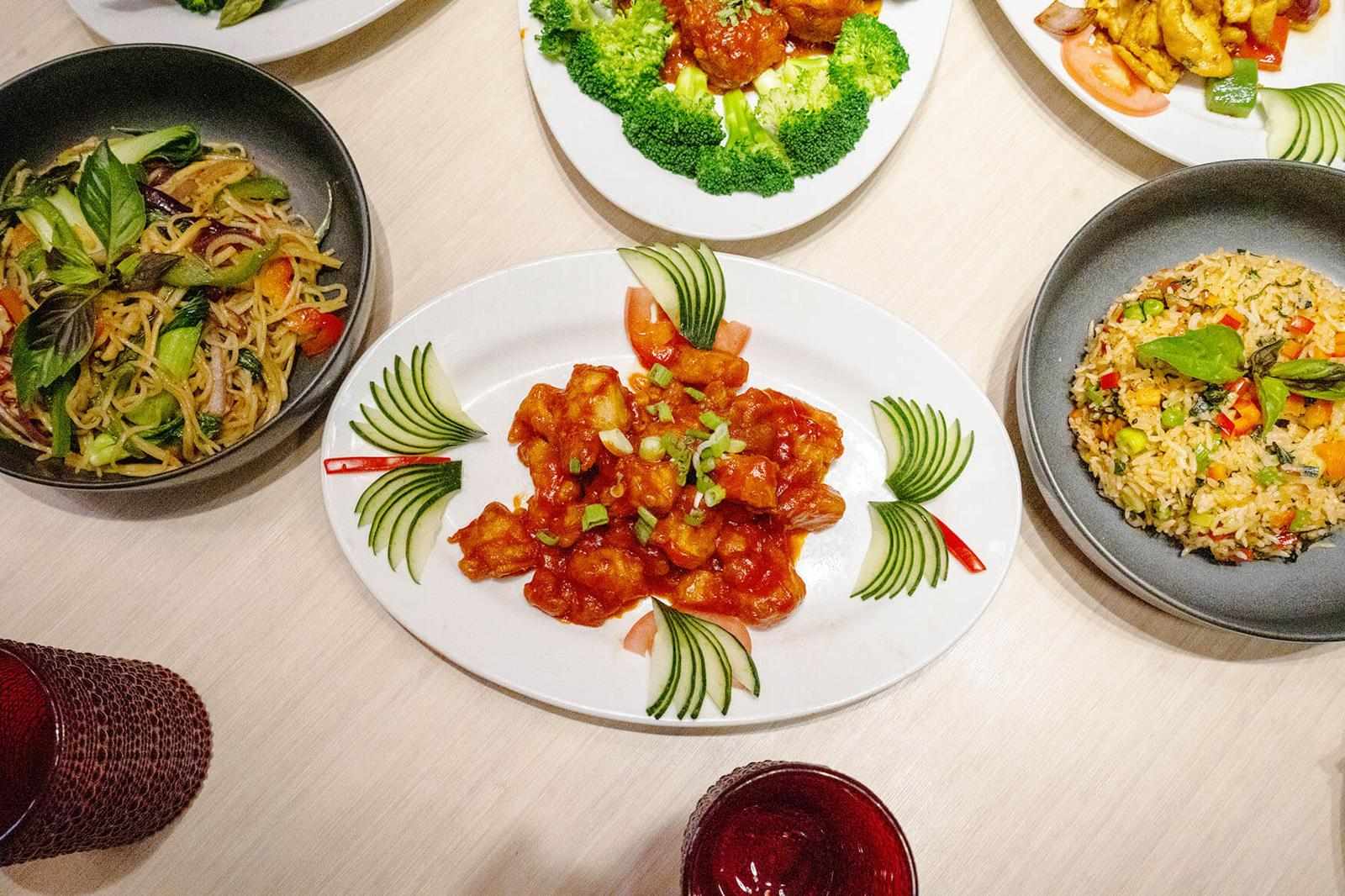
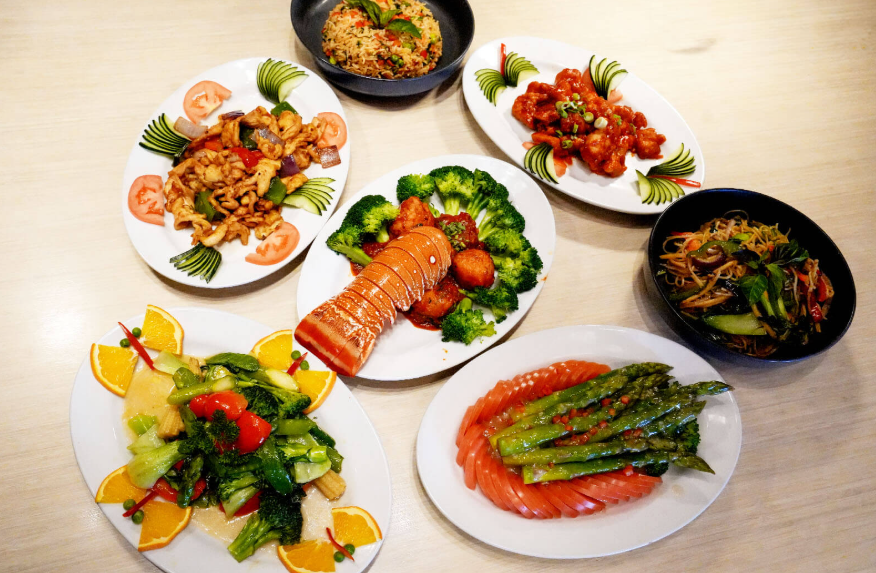
Seafood dining carries deep cultural significance in many coastal and Asian communities. At restaurants across New Jersey, menus often reflect a mix of global flavors—Chinese, Thai, Japanese, Mediterranean, and American coastal dishes. Recognizing the origins of these cuisines shows respect to chefs who celebrate cultural traditions through their craft.
Many cultures emphasize balance, freshness, and harmony in seafood preparation. Diners can reflect this same appreciation by being mindful of presentation, understanding traditional seasonings, and savoring dishes as they are intended. This awareness elevates the dining experience and connects you more deeply with the culinary artistry found within a seafood-focused setting.
Understanding Table Manners and Seafood-Specific Etiquette
Seafood dining comes with certain expectations. For example, when dishes include shells, claws, or bones, proper handling demonstrates dining etiquette. Learning the basics helps you navigate meals confidently while maintaining a comfortable environment for those around you.
Common etiquette practices include:
Using provided tools such as shell crackers or seafood forks appropriately.
Avoiding loud cracking or excessive table movements when opening shells.
Taking small bites when tasting new or delicately prepared dishes, allowing flavors to unfold.
These practices not only show respect for the food but also for fellow diners who value a calm and enjoyable meal. Most importantly, they contribute to a sophisticated dining ambiance that many guests expect at a seafood restaurant in New Jersey.
Sharing Dishes Respectfully in Multi-Cultural Dining Settings
Seafood restaurants frequently offer shareable dishes, especially in Asian, Mediterranean, and family-style dining formats. Sharing is common, but cultural etiquette outlines specific ways to do so politely.
When sharing seafood platters or specialty items:
Use serving utensils rather than personal cutlery.
Allow everyone to try signature items before taking additional servings.
Refrain from rearranging the platter excessively while deciding which piece to take.
These simple gestures promote harmony and ensure that dining remains communal, enjoyable, and respectful—mirroring cultural values that prioritize togetherness and hospitality.
The Importance of Savoring Freshness and Quality
Seafood is prized for its delicate flavors, and respecting the dish means taking time to appreciate its freshness. Chefs invest significant effort into sourcing high-quality fish and shellfish, and diners can acknowledge this by enjoying the meal mindfully.
This includes:
Tasting the natural flavors before adding condiments.
Recognizing when a dish is best enjoyed hot and consuming it promptly.
Showing appreciation to staff or chefs when a dish is exceptionally well-prepared.
Midway through your dining experience, you may notice how the blend of freshness, cultural technique, and thoughtful presentation shapes the dining atmosphere. Mindful eating enhances this connection.
Navigating International Influences on New Jersey Seafood Dining
New Jersey’s seafood dining scene is enriched by global influences. Because of this, etiquette can vary depending on the style of cuisine being served. Japanese dining emphasizes simplicity and quiet appreciation. Chinese seafood dishes may encourage sharing and conversation. Mediterranean meals often incorporate olive oils, herbs, and communal platters.
Adapting respectfully to these cultural cues demonstrates awareness and enhances the authenticity of the dining experience. Observing how dishes are presented, how staff interact with guests, and how others at the table engage with the food can offer valuable insights into the proper dining approach.
Being Mindful of Ambience and Social Etiquette
Ambience plays a significant role in seafood dining. Many restaurants focus on a calm, elegant environment where the sounds of conversation and cutlery blend gently. Guests contribute to the overall atmosphere by being considerate of noise levels, avoiding strong perfumes that may interfere with seafood aromas, and ensuring mobile phones are silenced.
Additionally, keeping the dining area tidy and treating the staff with courtesy reflects well on guests. Cultural dining etiquette is not only about food—it is about honoring the shared experience and creating a welcoming environment for everyone.
Conclusion: Enhance Your Experience Through Respect and Awareness
Cultural dining etiquette transforms a simple meal into a memorable experience. When visiting a seafood restaurant in New Jersey, embracing these practices—respecting traditions, sharing thoughtfully, savoring freshness, and maintaining a mindful presence—deepens your connection to the cuisine and those who prepare it.
If you are ready to elevate your dining experience, choose restaurants such as Ming Restaurant that honor culinary traditions and encourage guests to appreciate seafood at its finest. Enjoy a meal where culture, flavor, and etiquette come together to create something truly exceptional.

Write a comment ...